
For Clean Beauty, the useful starting point is a routine that fits your skin, your budget, and the amount of upkeep you actually want.
Here’s the rewritten blog post, aiming for a gentle, thoughtful tone as requested:
Blooming Ideas: Thoughts on Content for Your Clean Beauty Blog
Let’s start with a quiet moment, shall we? I’ve been giving some thought to how we can create content that feels both helpful and a little bit comforting - like sharing a warm cup of tea and a gentle conversation. Here’s what I’ve been imagining for Purely Polished:
Unearthing the Truth: Ingredient Deep Dives (Clean Beauty)
There’s a real interest in understanding what’s actually in the products we use, and that’s wonderful. It’s easy to hear “clean beauty” and think of a certain label, but it’s so much more than that. It’s about a careful way of choosing and creating - a mindful approach. Lately, certain ingredients have been getting a lot of attention, and for good reason. Squalane, for example, is a lovely, versatile oil that comes from plants. Naturally-sourced hyaluronic acid, which draws moisture into the skin, is becoming more common. Bakuchiol, a gentle option similar to retinol, is gaining popularity for its potential to help skin feel smoother. And fermented ingredients - like extracts from kombucha or probiotic blends - are being added to boost the skin’s strength. The important thing is to move beyond simply accepting what a product claims. Let’s explore the ‘how’ and ‘why’ in a way that feels both informative and reassuring. It’s perfectly okay - and encouraged - to do a little research. Websites like the Environmental Working Group’s Skin Deep database can be a good starting point, but always remember to look closely at why a product received its rating. A single ingredient, even if labeled “natural,” can have a complex effect when combined with other ingredients in a formula.
Building Routines - Gentle Steps for Every Skin
A routine that feels truly right for you is the most beautiful one. It’s not about copying an influencer’s steps; it’s about listening to your skin and creating a ritual that supports its individual needs. Let’s think about different skin types - dry, oily, combination, and sensitive - and how routines might be tailored. For dry skin, layering is often helpful. Start with a hydrating oil or serum, followed by a rich moisturizer, and finish with a nourishing balm. If you have oily skin, look for lightweight, gel-based cleansers and serums that won’t clog pores. A combination skin routine might involve using a slightly richer moisturizer in drier areas and a lighter one in oilier zones. Sensitive skin needs a gentle approach - fragrance-free formulas, calming ingredients like chamomile and aloe vera, and avoiding layering too many products. Specificity is key. Instead of just saying “a cleanser,” suggest a particular cleanser and explain why it might be a good fit. Similarly, when recommending a serum, share the active ingredients and what they’re designed to do. The order you apply products matters, too - generally, lighter products go on before heavier ones. Think of it as a soft, supportive embrace for your skin, building a foundation of gentle care.
Decoding “Clean” - Clarity and Transparency
The term “clean beauty” can feel a little confusing, and that’s completely understandable. It’s used so often now that it’s become a bit diluted. At its heart, “clean” means avoiding ingredients that are often considered harmful - things like parabens, phthalates, sulfates, and synthetic fragrances. It also means prioritizing natural sources and, ideally, sustainable practices. There are certifications that can offer some reassurance. Leaping Bunny shows that a product hasn’t been tested on animals. COSMOS is another recognized certification that focuses on sustainable sourcing and environmentally friendly production. These labels can be helpful, but it’s still important to read ingredient lists carefully. “Natural” doesn’t automatically mean “safe” or “effective.” A potent ingredient, even if derived from nature, can still irritate some people. It’s about thoughtful sourcing and mindful formulation. Don’t hesitate to ask brands questions about their ingredients and processes. Transparency is a really important part of truly clean beauty.
Ingredient Spotlight Series - A Monthly Exploration
Let’s dedicate a month to really understanding one special ingredient. This could be a wonderful way to establish yourself as a trusted source and build a loyal readership. I was imagining a recurring series, perhaps focusing on a different ingredient each month - Rosehip Oil in June, Shea Butter in July, maybe Squalane in August. Each month’s post would look at the ingredient’s origins, how it’s traditionally been used, its potential benefits for the skin, and anything to keep in mind. We could explore where it’s sourced and discuss how it’s produced. It’s a chance to really unpack the science behind a single ingredient and offer readers a deeper understanding.
DIY Delights - Simple Recipes for Radiant Skin
Let’s keep things simple and safe. DIY skincare can be a lovely way to personalize your routine, but safety is always the top priority. I’d suggest a few very basic recipes - a hydrating facial toner with rosewater and aloe vera, or a calming mask with oatmeal and honey. Always include clear instructions and emphasize the importance of doing a patch test on your inner arm before applying anything to your whole face. Listen to your skin’s response - it will always tell you what it needs.
Sustainability - Beauty with a Conscience
Let’s think about the impact of our choices. The beauty industry can have a big effect on the environment, from packaging to how ingredients are sourced. It’s good to be mindful of these things and look for brands that are committed to doing better. Look for brands that use eco-friendly packaging - glass, aluminum, or recycled materials are good choices. Consider supporting brands that prioritize sustainable sourcing and reduce waste. Small changes, like using reusable cotton pads or choosing refillable products, can make a real difference.
Conclusion
We’ve explored a few ideas, haven’t we? From understanding ingredients to building gentle routines and embracing sustainable practices, what helps most is to approach clean beauty with intention and a little curiosity. May your blog be filled with helpful and beautiful content - and remember, the most important ingredient is always kindness, to yourself and your skin.
Keep This Practical
The strongest beauty routines are usually the ones that are simple enough to keep and gentle enough to trust. Start with the product or habit that supports your skin, hair, or routine most consistently.
Tools Worth A Look
If you are refining a skincare or beauty setup without overcomplicating it, the recommendations below are a sensible next step.
- The Complete Idiot's to Making Natural Beauty Products
- EMEET 1080P Webcam with Microphone, C960 Web Camera, 2 Mics Streaming Webcam, 90°FOV Computer Camera, Plug and Play USB Web CamHow Shop Like Boss MortgagesThe 2026 Way to Buy a Home in AmericaHome Buying 101: From Mortgages and the MLS to Making the Offer and Moving In
Some of the links on this page are Amazon affiliate links, which means I may earn a small commission if you make a purchase through them. As an Amazon Associate, I earn from qualifying purchases.
Related ReadingMore from Purely Polished

Clean Beauty Boxes: Your Spring Refresh
can be easier to approach when you start with a few practical basics. Blog Post: Purely Polished Unlocking Your Best, Cleanest Beauty Routine: A Guide.

Clean Beauty Brands We Love
Discovering Your Best Clean Beauty: A Gentle Guide to Naturally Radiant Skin Finding the right skincare can feel…well, a little overwhelming, honestly. There’s.
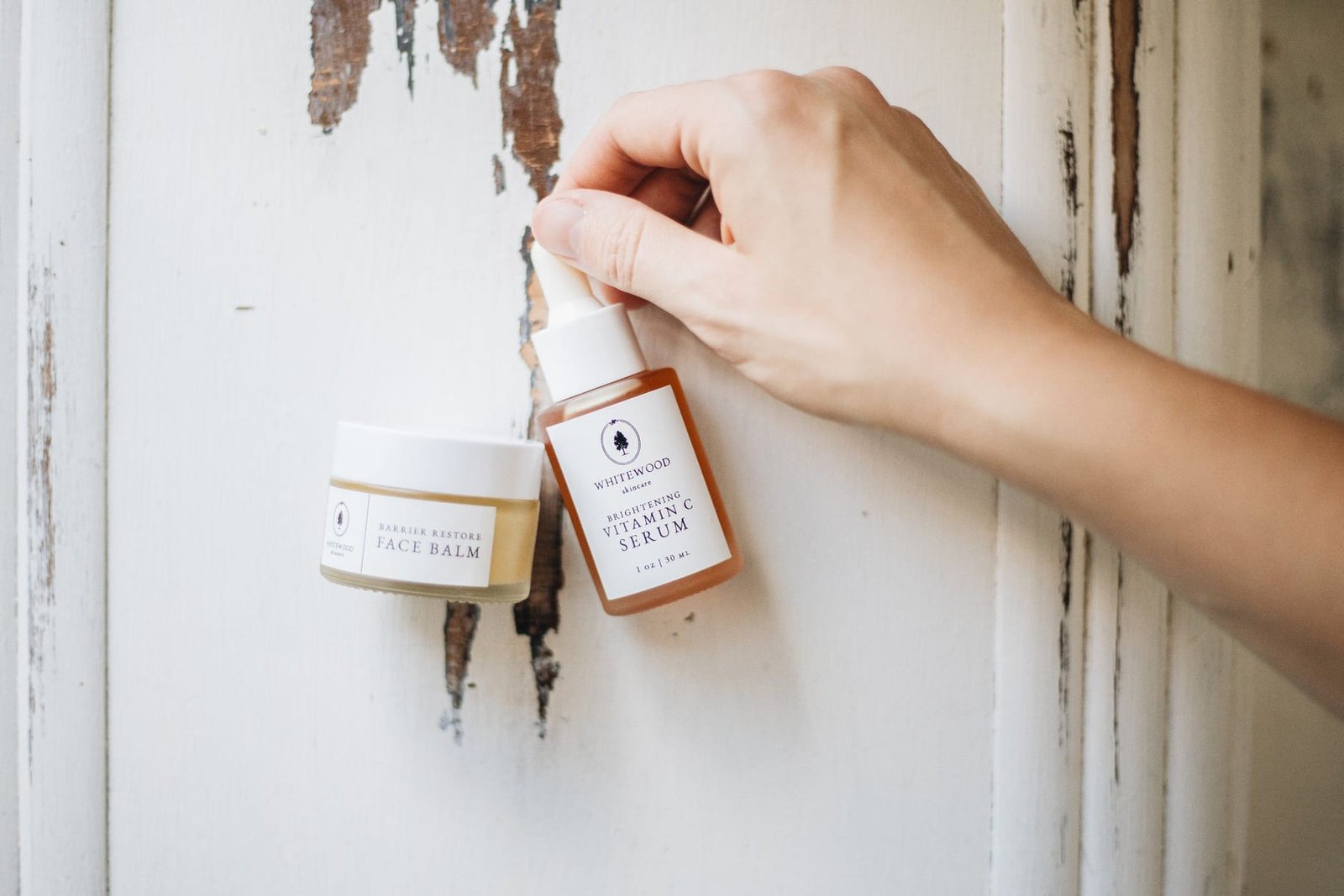
Clean Beauty on a Budget: A Simple Starter Routine
Build a clean beauty routine on a budget by focusing on cleanser, moisturizer, sunscreen, and one careful swap at a time.