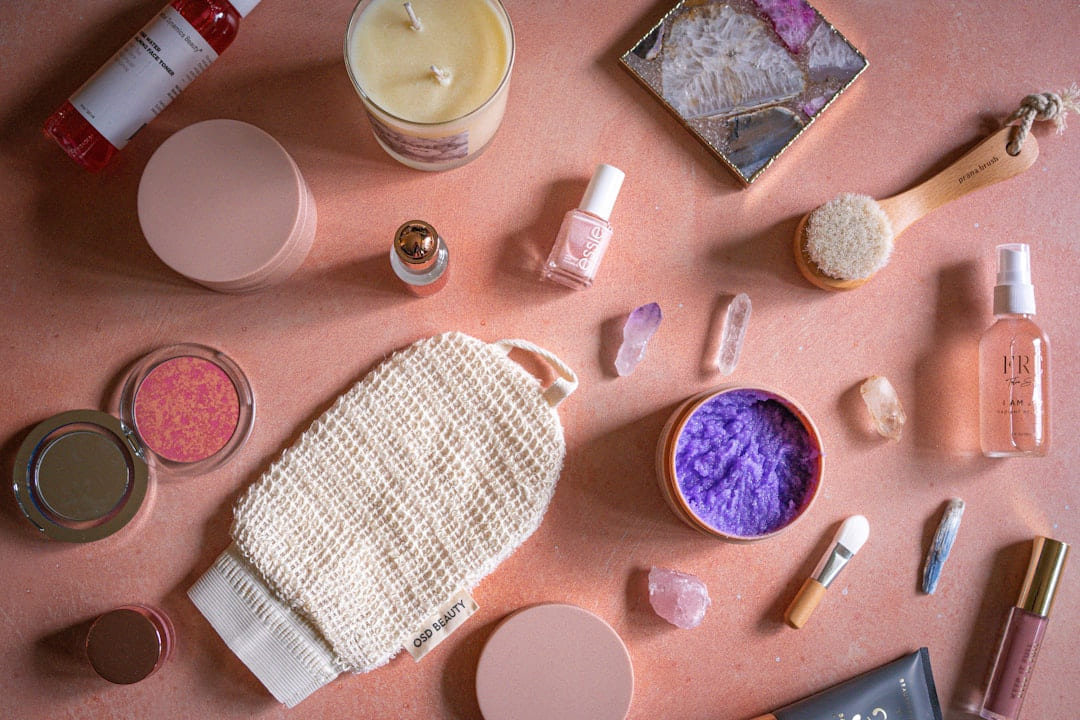
Simple Recipes for You can be easier to approach when you start with a few practical basics.
Unlock Your Skin’s Natural Radiance: A Guide to DIY Natural Beauty RecipesThe Building Blocks: Essential Ingredients
Before we jump into specific recipes, let’s talk about the stars of the show. Many of these DIY treatments rely on readily available, natural ingredients. Here are some staples you’ll likely find yourself using frequently:
- Aloe Vera Gel (Pure): Known for its soothing and hydrating properties, aloe vera is a fantastic base for masks and moisturizers. Look for a brand that’s 99% pure aloe vera - additives can sometimes irritate the skin.
- Raw Honey: A natural humectant (meaning it draws moisture to the skin), honey also boasts antibacterial and anti-inflammatory benefits. Opt for raw, unfiltered honey for maximum potency.
- Rosewater: A gentle toner and hydrating mist, rosewater is incredibly soothing and helps balance the skin’s pH.
- Apple Cider Vinegar (ACV): Don’t let the acidity scare you! Diluted ACV can be a powerful toner, helping to brighten skin, control oil, and even minimize the appearance of pores. *Always* dilute it properly.
- Bentonite Clay: This volcanic clay is a powerhouse for drawing out impurities, absorbing excess oil, and detoxifying the skin. It’s particularly effective for combating acne and blemishes.
- Tea Tree Essential Oil: A potent antibacterial and antifungal agent, tea tree oil is a favorite for tackling acne and reducing inflammation.
- Jojoba Oil: Technically a wax ester, jojoba oil closely mimics the skin’s natural sebum, making it an excellent moisturizer for all skin types.
- Vitamin E Oil: A powerful antioxidant that protects the skin from damage and promotes healing.
- Fractionated Coconut Oil: This lightweight, odorless oil absorbs quickly and doesn’t clog pores, making it ideal for moisturizing without feeling greasy.
- Lavender Essential Oil: Known for its calming and relaxing properties, lavender essential oil can soothe irritated skin and promote a sense of well-being.
Tackling Common Skin Concerns: Dryness & Acne
DIY skincare isn’t just about pretty masks; it’s about addressing specific needs. Here are a couple of recipes geared towards common concerns.
Dry Skin: Moisturizing Body Oil (Approx. 5 minutes to make, lasts for weeks) (Simple Recipes for You)
- What it does: This oil is a deeply hydrating treatment for dry, flaky skin, restoring moisture and leaving your skin feeling supple and soft.
- Ingredients:
- 1/4 cup Jojoba Oil
- 1 tablespoon Vitamin E Oil (adds antioxidant protection)
- 1 tablespoon Fractionated Coconut Oil (lighter and absorbs quickly)
- Instructions: Combine all ingredients in a dark glass bottle. Gently massage onto damp skin after showering, focusing on dry areas like elbows and knees. For an extra boost, add a few drops of rosehip seed oil.
Acne: Clay Mask (Approx. 10-15 minutes)
* What it does: Bentonite clay is amazing at drawing out impurities and excess oil, which can help minimize breakouts and reduce inflammation.
- Ingredients:
- 1 tablespoon Bentonite Clay
- 1/2 teaspoon Tea Tree Essential Oil (known for its antibacterial properties)
- 1 tablespoon Apple Cider Vinegar (diluted - use sparingly!)
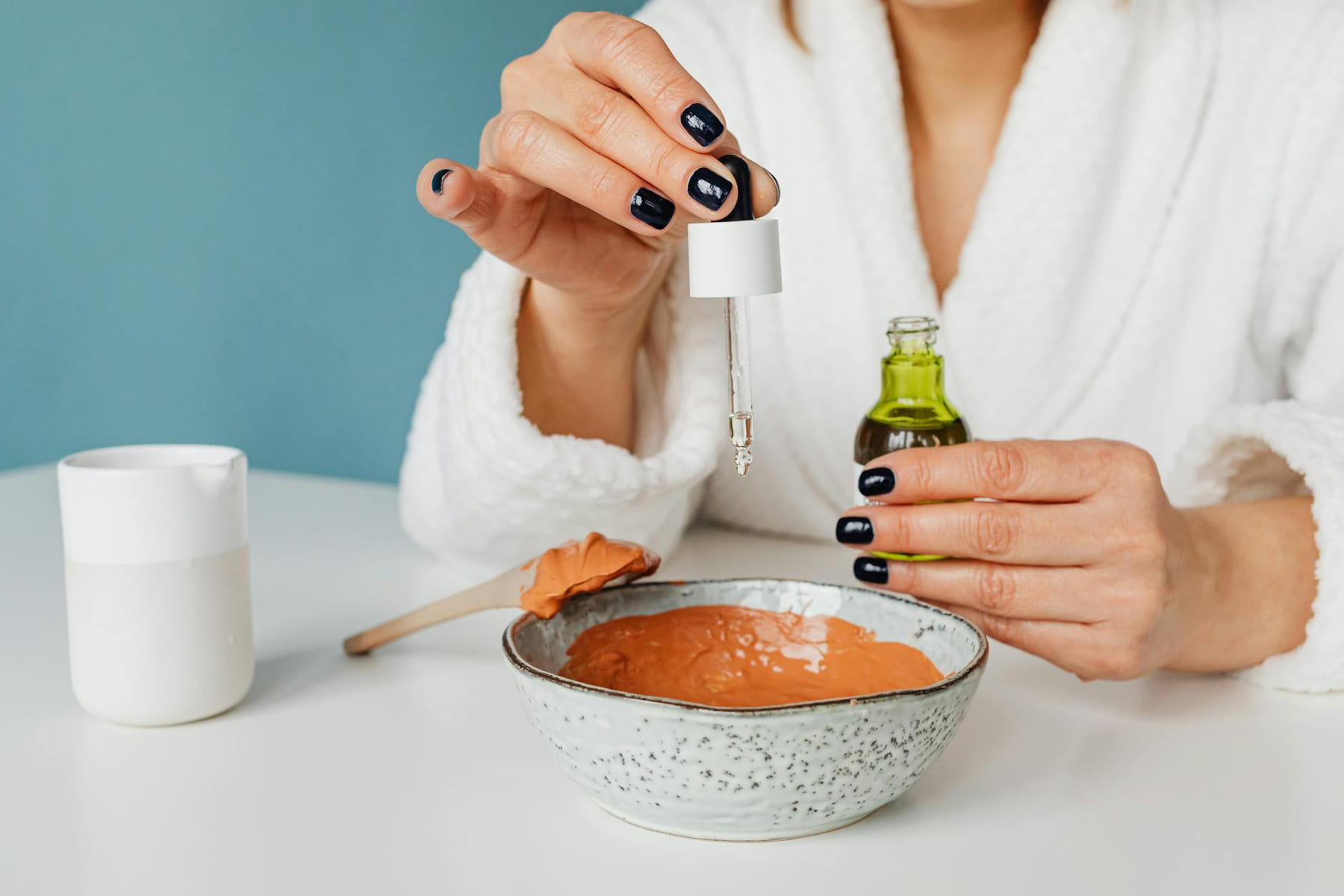
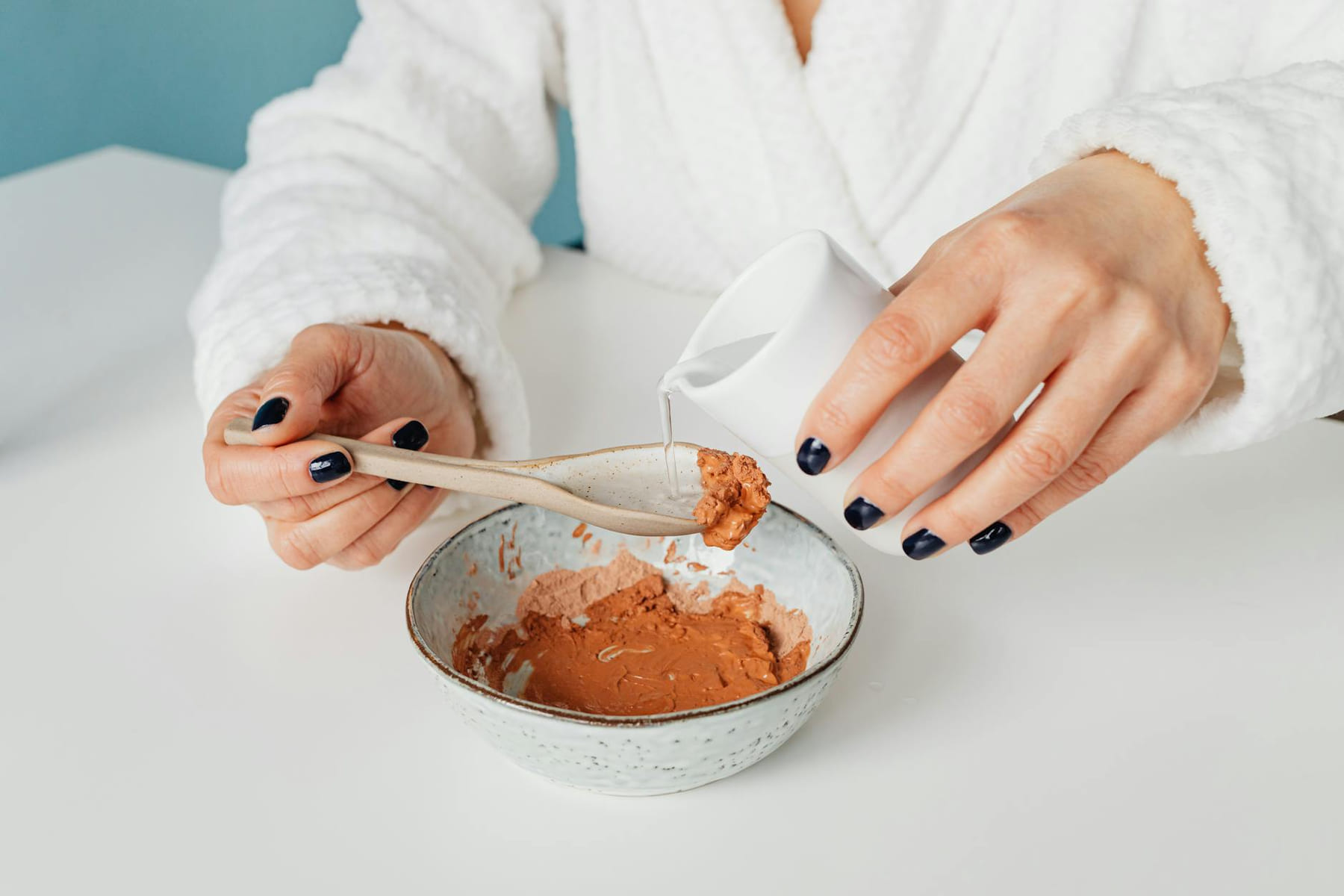
- Instructions: Mix ingredients in a non-metal bowl (clay reacts with metal) until a paste forms. Apply to clean skin, avoiding the eye area. Leave on for 10-15 minutes, or until the mask starts to dry. Rinse thoroughly with warm water. Follow with a gentle moisturizer. Important Note: Start with a smaller amount of ACV and increase gradually if needed, monitoring your skin’s reaction.
Summer: Refreshing Toner (Approx. 5 minutes)
* What it does: Summer heat and sun can leave skin feeling oily and sensitive. This toner helps balance oil production and provides a cooling, soothing effect, preparing your skin for further treatments.
- Ingredients:
- 1/2 cup Apple Cider Vinegar (raw, unfiltered - dilute!)
- 5-10 drops Lavender Essential Oil (for calming and fragrance)
- 1/4 cup Witch Hazel (alcohol-free)
- Instructions: In a dark glass spray bottle, combine the apple cider vinegar and witch hazel. Add the lavender essential oil. Shake well before each use. Lightly spritz over your face after cleansing, avoiding the eye area. Important: Apple cider vinegar can be strong, so always dilute it.
Gentle Exfoliating Scrub (Approx. 2 minutes to make, lasts for a month)
* What it does: Removes dead skin cells, revealing brighter, smoother skin.
- Ingredients:
- 2 tablespoons finely ground oats
- 1 tablespoon honey
- 1 tablespoon olive oil
- Instructions: Combine ingredients in a small bowl. Gently massage onto damp skin in circular motions for 1-2 minutes. Rinse thoroughly with warm water.
Safety First: Essential Precautions & Troubleshooting
Creating your own products is fun, but it’s important to be cautious.
- Patch Test: *Always* do a patch test on a small area of skin (like your inner arm) before applying any new recipe to your face. Wait 24-48 hours to check for any adverse reactions.
- Essential Oil Dilution: Never apply undiluted essential oils directly to your skin. A general rule of thumb is 1-3% dilution for facial applications. For example, 1% dilution is approximately 6 drops of essential oil per ounce (30ml) of carrier oil.
- Allergies: Be mindful of potential allergens. Common culprits include nuts, citrus, and certain essential oils.
- Storage: Store your DIY creations in dark glass bottles in a cool, dark place to preserve their potency.
- Troubleshooting: Separation is common in many DIY recipes. Simply shake well before use. Consistency can vary depending on the ingredients - don’t be afraid to adjust the ratios to find what works best for your skin. If the scent is too strong, reduce the amount of essential oil.
Sustainable Beauty & Beyond
Let's not forget about making this a truly conscious practice. Opt for reusable glass jars and bottles. Buying ingredients in bulk can significantly reduce waste. And, where possible, source your ingredients locally - it supports small businesses and reduces your carbon footprint. Consider growing your own herbs like lavender or rose for even more natural ingredients.
Conclusion
Keep This Practical
If you want the advice here to hold up over time, choose the simplest version that fits your skin, schedule, and budget. Consistency usually outperforms complexity in beauty routines.
Tools Worth A Look
These picks are most relevant if you want beauty products or supports that align with a cleaner, calmer routine.
- ATTITUDE Body Wash, EWG Verified Shower Gel, Dermatologically Tested, Plant and Mineral-Based, Vegan Personal Care ProductsBathing Culture, Organic Mind + Body Wash, Natural, Biodegradable, Sustainable, Vegan Personal Care, All Natural Organic Body WashMerbeau Luxury Self Care 13 Piece Gift Set – Non-Toxic, Clean Ingredients, Naturally-Scented Essential Oils, Candle, Socks, Bar SoapSalt & Stone Facial Cleanser for Women & Men, Spirulina & Yuzu Gentle Facial Wash with Hyaluronic Acid, Squalane, For All Skin Types, Vegan, Cruelty FreeNATÚ BOTANICALS Deep Face Oil Serum for Normal to Dry Skin
Some of the links on this page are Amazon affiliate links, which means I may earn a small commission if you make a purchase through them. As an Amazon Associate, I earn from qualifying purchases.
Related ReadingMore from Purely Polished
Simple DIY Beauty: Recipes for You
is easier to make sense of when you break it down into the part that matters most first. Instead of chasing every option at once, it usually helps to focus on what.
DIY Beauty Recipes: Your Questions Answered
is easier to make sense of when you break it down into the part that matters most first. Instead of chasing every option at once, it usually helps to focus on what.
DIY Beauty Fails & Fixes
DIY Beauty Fails can be easier to approach when you start with a few practical basics.