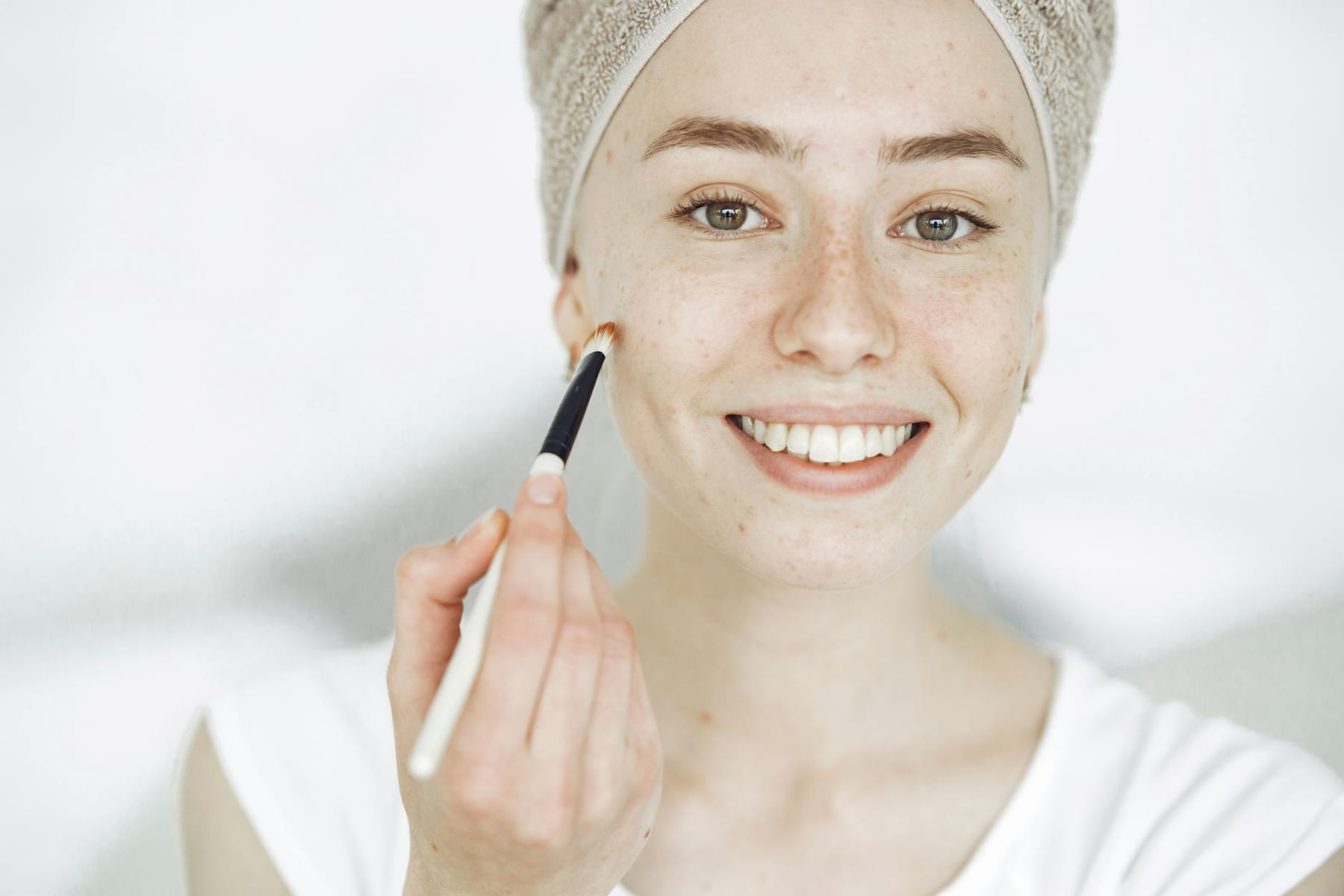
Making Natural Beauty can be easier to approach when you start with a few practical basics. Hey there, Purely Polished pals! Stephanie Grayson here, and let’s be honest - the world of DIY natural beauty can feel a little… overwhelming, right? You’re scrolling through Pinterest, seeing gorgeous homemade face masks and luscious hair oils, and then you’re hit with a tidal wave of questions. “Is this safe?” “Will it actually work?” “How do I make sure it doesn’t go bad?” I get it! That’s why I’ve put together this comprehensive guide to answer your most frequently asked questions about creating your own natural beauty products. We’re going to break down everything from ingredient concerns to safety precautions, and how to keep your creations fresh and effective. Let’s dive in!
Ingredient Worries - Addressing Your Concerns (Making Natural Beauty)
One of the biggest hurdles for many people starting their DIY journey is the sheer volume of ingredients out there. You’ve probably heard whispers about essential oils, carrier oils, butters, and clays - and let’s be real, some of them sound a little intimidating. It’s completely normal to have questions and concerns about what you’re putting on your skin.
Let's tackle some common worries head-on:
* “Are essential oils safe for everyone?” This is a fantastic question! While essential oils are incredibly potent and offer amazing benefits, they're not one-size-fits-all. Some people are naturally more sensitive than others. Citrus oils, for example, can cause photosensitivity, meaning your skin becomes more susceptible to sunburn. Lavender is generally well-tolerated, but even that can cause reactions in some individuals. Always dilute essential oils properly in a carrier oil - a general rule of thumb is 1-3% dilution for facial applications. Start with a lower concentration and observe how your skin reacts. For example, if you're making a facial serum, a 1% dilution would mean using just 1 drop of essential oil per teaspoon of carrier oil.
* “What about carrier oils? Are they all the same?” Absolutely not! Carrier oils are the vehicles that deliver the benefits of essential oils (and other ingredients). They come from plants and each has unique properties. Jojoba oil is remarkably similar to our skin’s natural sebum, making it a great all-around choice. Argan oil is rich in vitamin E and fatty acids, fantastic for dry skin. Sweet almond oil is gentle and moisturizing. Coconut oil is wonderfully hydrating but can be comedogenic (pore-clogging) for some skin types. Researching the properties of each oil is key to choosing the right one for your needs. Think of it like this: you wouldn’t use motor oil in your car, right? Similarly, choosing the right carrier oil is crucial for a successful DIY product.
* “Are clays safe? I’ve heard they can be drying.” Clay, like bentonite or kaolin, is fantastic for drawing out impurities and absorbing excess oil. However, it can be drying if used too frequently or in too high a concentration. Always moisturize after using a clay mask. Adding a hydrating oil like rosehip seed oil or avocado oil can help counteract any potential dryness.
Safety First - Patch Testing & Precautions
Creating your own beauty products is rewarding, but safety should always be your top priority. Skin is incredibly sensitive, and what works beautifully for one person might irritate another. That's where patch testing comes in.
* What is patch testing? It’s simply applying a small amount of your DIY product to a discreet area of skin (like the inside of your wrist or behind your ear) and waiting 24-48 hours to see if any reaction occurs. Look for redness, itching, burning, or swelling.
* What if I have allergies? If you have known allergies to specific plants or ingredients, do not use them in your DIY products. Read labels carefully and be aware of potential cross-contamination.
- General Precautions:
- Cleanliness is key: Always use clean equipment and containers to prevent bacterial growth. Sterilize jars and utensils with boiling water or rubbing alcohol.
- Proper storage: Store your DIY products in dark glass containers in a cool, dry place away from direct sunlight.
- Shelf life: Natural products don’t have the same preservatives as commercial ones, so they have a shorter shelf life. Generally, oil-based products will last 6-12 months, while water-based products (like lotions) may only last 1-3 months. Pay attention to any changes in scent, color, or texture - these can be signs that the product has gone bad.
- Don’t use on broken skin: Avoid applying DIY products to open wounds or irritated skin.
Keeping it Fresh - Maintaining Product Integrity
Once you've created your amazing DIY beauty product, how do you keep it performing its best? Maintaining product integrity is crucial for both effectiveness and safety.
* Oil Separation: Many oil-based DIY products, like balms and salves, will naturally separate as the oils and butters settle. This is perfectly normal! Simply stir the product thoroughly before each use. Don’t worry - it doesn’t affect the product’s quality.
* Water-Based Products and Mold: Water-based products are more susceptible to mold growth. Always use distilled water and ensure your containers are completely dry before filling them. Adding a small amount of vitamin E oil can help extend the shelf life of water-based products.
* Regular Inspection: Make it a habit to visually inspect your DIY products regularly. Look for any changes in color, texture, or scent. If you notice anything unusual, discard the product immediately.
Bonus Tip: Start with simple recipes! Don’t try to tackle a complex multi-step formulation right away. Begin with basic recipes using a few key ingredients to get a feel for the process and build your confidence. For example, a simple sugar scrub using coconut oil, sugar, and a few drops of essential oil is a great starting point.
Creating your own natural beauty products can be a deeply satisfying and empowering experience. By understanding the basics of ingredient safety, patch testing, and product maintenance, you can confidently embark on your DIY journey and create beautiful, healthy skincare that’s tailored to your unique needs. Happy crafting, Purely Polished community!
Keep This Practical
A polished routine does not need ten new steps. Focus on the one upgrade that improves results, comfort, or ingredient confidence without making maintenance harder.
Tools Worth A Look
The products here make the most sense when they help you keep the routine effective, gentle, and realistic.
- Sweet Bee Magic Organic Honey Bee Balm for Face, Skin & BodyClean Skin from Within: The Spa Doctor's Two-Week Program to Glowing, Naturally Youthful SkinHandmade in Canada, Plant Based Cold Process Natural Bar SoapHonest Beauty Gentle Gel Daily Face Cleanser, Calms, Refreshes, Hydrates, Vegan Safe for Sensitive Skin, 5 fl ozYelle. Skincare – Awakening Milk and Honey Cleanser
Some of the links on this page are Amazon affiliate links, which means I may earn a small commission if you make a purchase through them. As an Amazon Associate, I earn from qualifying purchases.
Related ReadingMore from Purely Polished
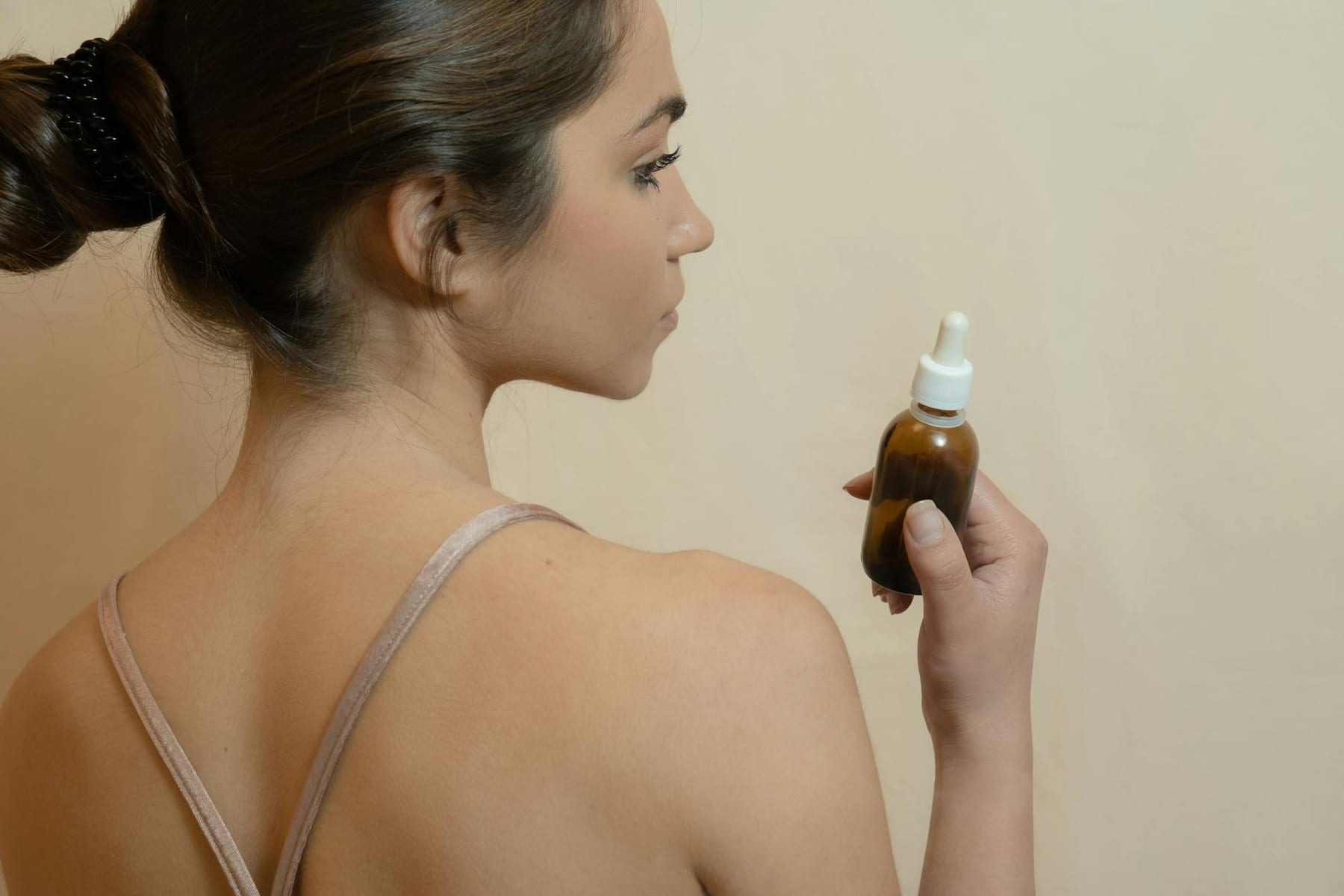
Simple Skin: DIY Natural Beauty Steps
is easier to make sense of when you break it down into the part that matters most first. Instead of chasing every option at once, it usually helps to focus on what.
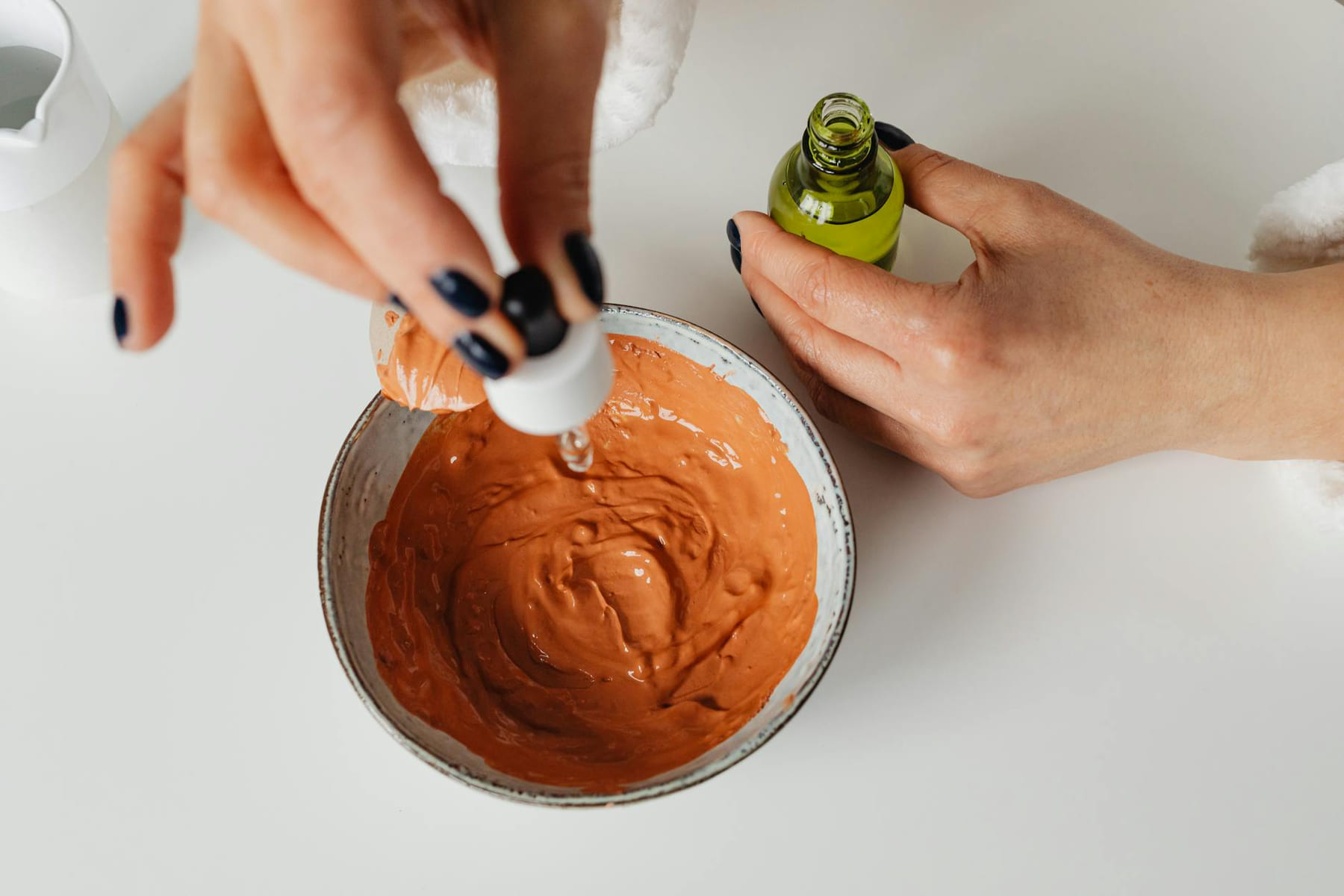
Simple Beauty: DIY Recipes & Savings
is easier to make sense of when you break it down into the part that matters most first. Instead of chasing every option at once, it usually helps to focus on what.
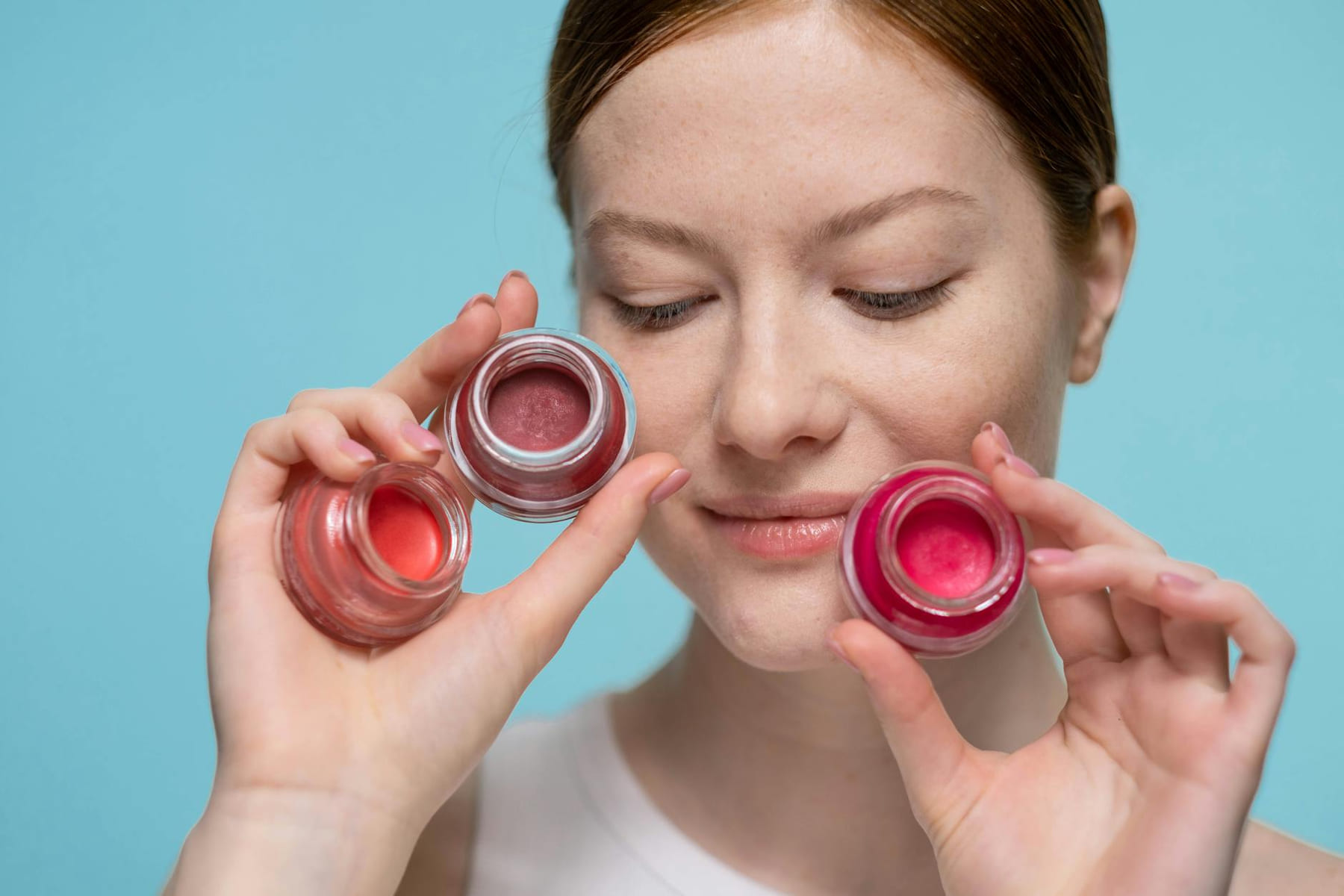
Natural Beauty Choices: DIY vs. Store-Bought
DIY Natural Beauty vs. Alternatives: What Really Works for *You* Let’s be honest - scrolling through beauty product shelves can feel a bit overwhelming. So many.