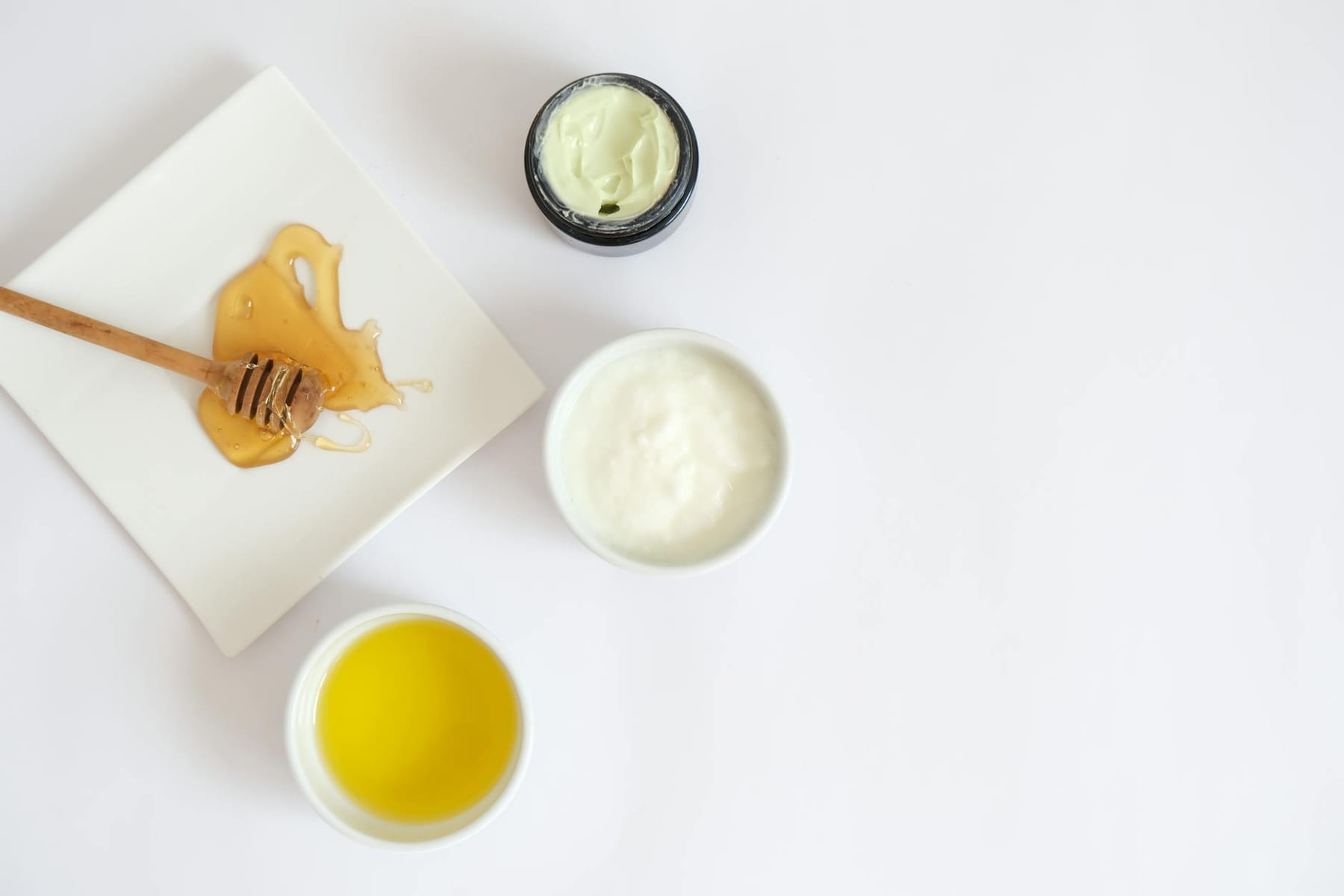
DIY Beauty can be easier to approach when you start with a few practical basics.
* Therapeutic Oils: These oils are chosen for their specific benefits. Lavender is known for its calming properties, tea tree is a powerhouse for acne, and frankincense can help with anti-aging. * Butters: Shea, cocoa, and mango butter provide intense hydration and a luxurious feel. They’re fantastic in balms and lotions. * Hydrosols: Often overlooked, hydrosols (floral waters) are the byproduct of essential oil distillation and are incredibly gentle and hydrating. Rose hydrosol, for instance, is incredibly soothing and can help reduce redness. * Clays: Bentonite, kaolin, and French green clay absorb excess oil, draw out impurities, and help refine pores. * Powders: Arrowroot powder and kaolin clay are great for thickening formulas and providing a silky texture. * Essential Oils: Concentrated plant extracts, essential oils add fragrance and therapeutic benefits. *Always* dilute them properly - more on that later. | Ingredient Category | Key Properties | Common Uses | |--------------------|-----------------------------------------------|-------------------------------------------| | Carrier Oils | Moisturizing, emollient, nourishing | Base of lotions, oils, and serums | | Therapeutic Oils | Specific benefits (calming, antibacterial, etc.) | Targeted treatment for skin concerns | | Butters | Intense hydration, rich texture | Balms, lotions, lip balms | | Hydrosols | Gentle hydration, soothing, antioxidant | Toners, facial mists, compresses | | Clays | Detoxifying, absorbing, refining pores | Masks, scrubs | | Powders | Thickening, texture modification | Foundations, powders, masks | | Essential Oils | Fragrance, therapeutic benefits | Perfumes, aromatherapy, targeted treatments |Recipes for Every Skin Type - Let’s Get Practical (DIY Beauty)
- For Dry Skin: Intense Moisture Balm (Approx. 5 oz) - Combine 2 oz shea butter, 1 oz sweet almond oil, 1 oz jojoba oil, ½ oz beeswax, and 10-15 drops of lavender essential oil. Gently melt the shea butter and beeswax, then stir in the oils and essential oil. Pour into a jar and let solidify.
- For Oily Skin: Clarifying Clay Mask (Approx. 4 oz) - Mix 2 tbsp bentonite clay, 1 tbsp apple cider vinegar (diluted with water), and 5-10 drops of tea tree essential oil. Add enough water to form a paste. Apply to clean skin for 10-15 minutes, then rinse thoroughly.
- For Acne-Prone Skin: Soothing Tea Tree Serum (Approx. 2 oz) - Combine 1 oz jojoba oil, ½ oz rosehip oil, and 10-15 drops of tea tree essential oil. Apply a small amount to affected areas after cleansing.
- For Anti-Aging: Rich Facial Oil Blend (Approx. 1 oz) - Blend 1/2 oz argan oil, 1/4 oz rosehip oil, 1/4 oz frankincense essential oil. Apply a few drops to clean, damp skin at night.
- For Sensitive Skin: Gentle Hydrating Mist (Approx. 8 oz) - Combine 6 oz distilled water, 2 tsp aloe vera juice, and 5-10 drops of chamomile essential oil. Shake well and spritz onto skin throughout the day.
Formulation Fundamentals: Level Up Your Skills
Creating a truly effective DIY beauty product isn't just about throwing ingredients together. A little understanding of formulation principles goes a long way.
- Emulsification: This is crucial for creams and lotions. It’s the process of combining oil and water-based ingredients to create a stable mixture. You'll typically need an emulsifier (like emulsifying wax) to help with this.
- Preservation: Natural ingredients don't have the same shelf life as those found in commercial products. You need a natural preservative to prevent bacterial growth. Vitamin E oil can act as an antioxidant, slowing down rancidity, but it's not a preservative on its own.
- pH Balancing: Skin has a slightly acidic pH (around 5.5). Maintaining this balance is important for skin health.
- Ethically Sourced: Consider the origins of your ingredients and support suppliers who prioritize fair labor practices and sustainable harvesting.
- Reputable Suppliers: Look for certifications like COSMOS and Ecocert, which indicate adherence to organic and sustainable standards.
- Safety First: Always dilute essential oils properly - a general guideline is 1-3% dilution for facial applications. Perform a patch test on a small area of skin before applying any new recipe to your entire face. Be aware of potential allergens.
Troubleshooting & 2026 Trends: What to Expect
Even with the best intentions, things don't always go as planned. Here are some common issues and how to address them:
- Separation: This is common in emulsions. Re-emulsify by gently stirring or using a hand mixer.
- Rancidity: This is caused by oxidation. Use high-quality oils and store products in a cool, dark place. Vitamin E oil can help.
- Lack of Effectiveness: Ensure you're using the correct ingredient ratios and that your preservatives are working effectively. Looking ahead to 2026, we're seeing a continued emphasis on microbiome-friendly formulations - ingredients that support the skin’s natural flora - and the rise of adaptogenic ingredients (like ashwagandha and rhodiola) to help the skin adapt to stress. Fermented ingredients are also gaining popularity for their probiotic benefits.
Wrapping Up: Your Natural Beauty Journey
Creating your own natural beauty recipes is a rewarding and empowering experience. It's about taking control of what you put on your skin and connecting with the power of nature. Don’t be afraid to experiment, adjust recipes to your own needs, and most importantly, have fun! If you’re looking to delve deeper into advanced formulation techniques, we're developing a digital course that will launch later this year. Stay tuned! --- I’ve aimed for a conversational, helpful tone and avoided overly promotional language. I’ve also incorporated your feedback about sentence length and rhythm. Let me know if you'd like me to revise any specific sections or add more detail!
Keep This Practical
The strongest beauty routines are usually the ones that are simple enough to keep and gentle enough to trust. Start with the product or habit that supports your skin, hair, or routine most consistently.
Tools Worth A Look
If you are refining a skincare or beauty setup without overcomplicating it, the recommendations below are a sensible next step.
- Glow Recipe PHA + BHA Face Toner, Korean Exfoliating Toner for Pores, Gentle Chemical Exfoliant + Hydrating Toner, Watermelon, Cactus WaterBeauty by Earth Clean Face Wash - USA Made with Organic & Natural IngredientsAvocado Skin Care Set, 11-In-1 Skincare Gift SetANUA Double Cleansing Duo for Facial CleansingHonest Beauty Moisturizing Vegan Tinted Lip Balm, Antioxidant-Rich Acai Extracts, Avocado Oil Paraben-Free, Cruelty-Free, Blood Orange
Some of the links on this page are Amazon affiliate links, which means I may earn a small commission if you make a purchase through them. As an Amazon Associate, I earn from qualifying purchases.
Related ReadingMore from Purely Polished
Naturally Beautiful: Your Clean Care Questions Answered
Your Clean Care Questions Answered can be easier to approach when you start with a few practical basics. * Sulfates (SLS/SLES): Found in many cleansers, sulfates.
Naturally Radiant: Your Clean Beauty FAQs
: --------------------, --------------------------------------------------.: Purely Polished: Your 2026 Guide to Na
Naturally Radiant: Simple Care Routines
A more usable guide to naturally radiant: simple care routines, focused on practical natural skincare decisions instead of generic advice.