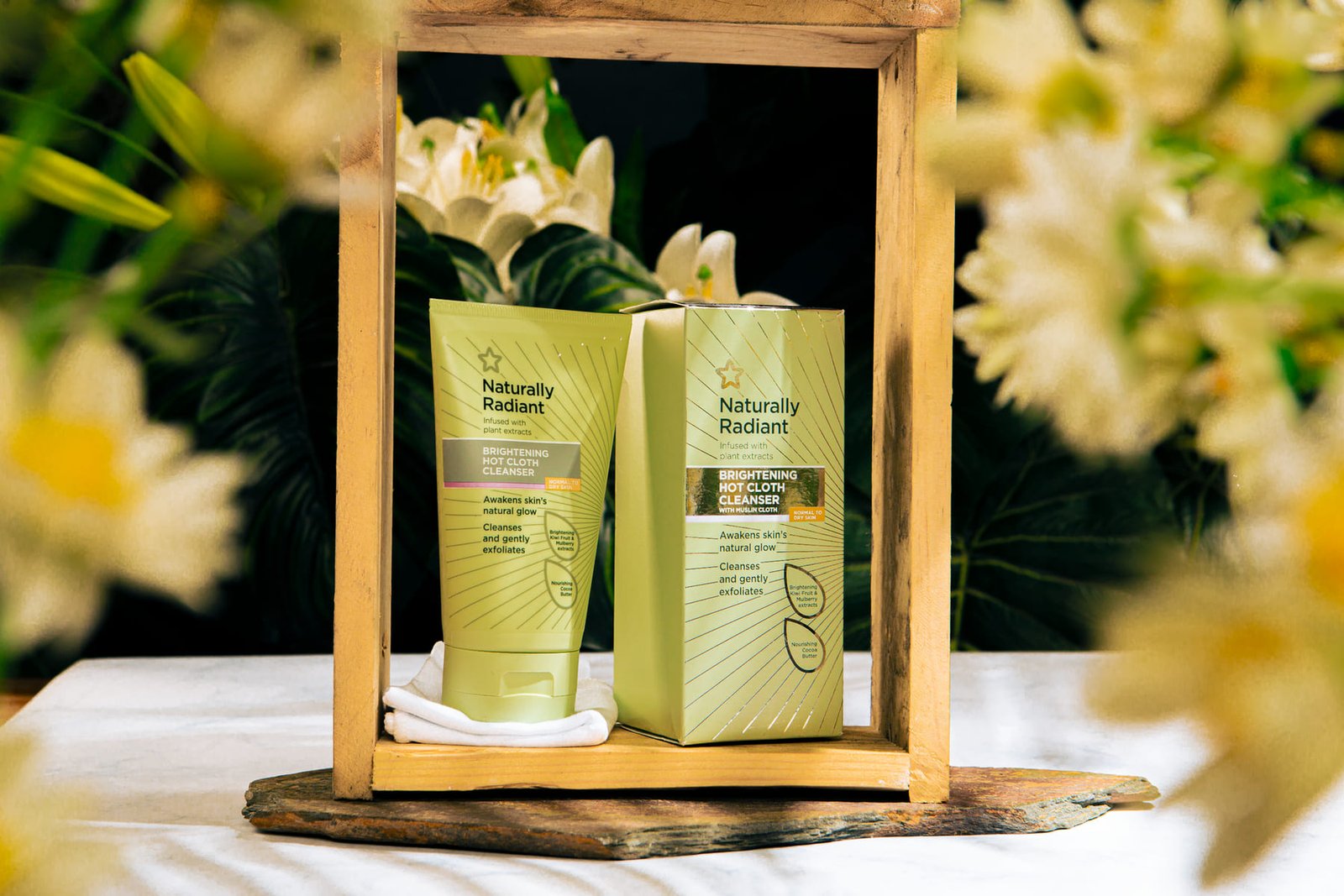
There’s a quiet shift happening in the beauty world - a gentle, persistent movement toward mindful consumption and a deeper connection with the products we use. It’s not about chasing the latest trend or adhering to a strict set of rules, but rather about cultivating a skincare routine that feels genuinely good, for your skin and for the planet. Let’s move beyond fleeting fads and build a foundation for truly healthy, radiant skin. This isn't about preaching; it’s about offering a practical, actionable guide to building a sustainable skincare routine that prioritizes long-term skin health and ethical choices.
The Core Ingredient Audit: Building a Better Base (Sustainable Skincare)
Let’s start by looking at what should be in your skincare routine. Rather than focusing on a long list of synthetic additives, prioritize ingredients that work with your skin’s natural processes. Plant-based oils like rosehip, jojoba, and argan are excellent choices. Rosehip, in particular, is packed with vitamins and antioxidants, helping to reduce the appearance of scars and fine lines. Jojoba closely mimics the skin’s natural sebum, providing hydration without clogging pores. Argan oil is rich in fatty acids, deeply moisturizing and protecting the skin barrier. Fermented extracts are gaining significant attention. Fermentation is an ancient technique that harnesses the power of beneficial bacteria to create potent ingredients that support the skin microbiome - the delicate ecosystem of bacteria living on our skin. Prebiotics and probiotics, often found in fermented formulas, help to nourish and balance this microbiome, promoting a healthy, resilient complexion. Think of it as feeding the good bacteria and discouraging the bad. Conversely, there are ingredients we should be cautious of. Synthetic fragrances are notorious for causing irritation and allergic reactions. Parabens, used as preservatives, have raised concerns about potential hormone disruption. Sulfates, common in cleansers, can strip the skin of its natural oils. Artificial colors are often unnecessary and can contribute to skin sensitivity. It’s about understanding what your skin needs and what it’s reacting to. This isn’t about eliminating everything - it’s about making informed choices and gradually reducing your exposure to potentially harmful ingredients.
Brand Values Beyond the Label: Doing Your Homework
Once you’ve identified the ingredients you’re looking for, it’s time to research the brands behind them. Don’t just rely on marketing claims; dig a little deeper. Certifications can be incredibly helpful, but they aren’t foolproof. The Leaping Bunny certification, for instance, guarantees that a brand and its products are cruelty-free. COSMOS certification indicates that a product has been developed and produced according to environmentally and socially responsible standards. The Good On You ratings provide an ethical brand assessment based on factors like labor practices, environmental impact, and animal welfare. but certifications aren't the whole story. Supply chain transparency is crucial. Does the brand disclose where its ingredients are sourced? Do they have a commitment to fair trade practices? A little research goes a long way in ensuring your values align with your purchases. Look beyond the website - check out social media, read reviews from independent sources, and see if the brand is actively engaged in sustainable initiatives.
Building a Minimalist Routine: Less is Truly More
One of the biggest benefits of a sustainable skincare routine is that it often leads to a minimalist approach. Instead of loading your face with a dozen different products, focus on a streamlined routine that addresses your specific needs. A simple cleanser, serum, and moisturizer can be incredibly effective, and reducing the number of products you use significantly reduces waste. Look for multi-functional products - a serum that can be used morning and night, a moisturizer with SPF, or a cleansing oil that can double as a makeup remover. This isn’t about deprivation; it’s about efficiency and intentionality. Investing in a few high-quality, sustainable products is often more beneficial than buying a vast collection of cheaper, less effective options. A simplified routine also saves you time - something we all appreciate!
Packaging Considerations & Practical Solutions: Small Steps, Big Impact
Let’s be honest, sustainable packaging is still an evolving area. Many brands are making progress, but the reality is that plastic is often the most convenient and cost-effective option. but there are still plenty of things you can do to minimize your impact. Look for brands that offer refillable containers - these significantly reduce plastic waste. Compostable packaging is another promising option, but be sure to check that it’s actually compostable in your local facilities. Whenever possible, choose products with minimal packaging. Don’t feel overwhelmed by the challenge. Every small step counts. Switching to a bamboo toothbrush, using reusable cotton pads, and opting for glass jars over plastic bottles - these seemingly small changes can collectively make a big difference.
Product Recommendations (Examples)
- For Dry Skin: [Brand A] - Known for its sustainably sourced rosehip oil, rich in vitamins and antioxidants, this lightweight serum deeply hydrates and helps to reduce the appearance of fine lines. Their packaging is primarily glass, and they offer refill options.
- For Sensitive Skin: [Brand B] - A minimalist cleanser with a refillable system, reducing plastic waste and formulated with gentle, plant-based ingredients. It’s fragrance-free and hypoallergenic.
- For Balancing Oil Production: [Brand C] - This toner utilizes fermented green tea extract to help balance the skin's microbiome and control excess oil. They use recycled glass bottles and minimal packaging.
Conclusion: A Journey, Not a Destination
Sustainable skincare is in practice about cultivating a long-term commitment to both your skin’s health and the health of our planet. It’s not about achieving perfection overnight; it’s about making conscious choices, learning along the way, and embracing a more mindful approach to beauty. Start small - perhaps by switching to a refillable cleanser or researching a brand’s ethical practices. Cultivating a sustainable skincare routine is a journey, not a destination. Embrace the process and enjoy the rewards of healthy, radiant skin - knowing you’re making a positive impact. Resources for Further Learning: * Ethical Elephant:
- The Good Trade:
- Refinyl:
- Package Free Shop:
Keep This Practical
A polished routine does not need ten new steps. Focus on the one upgrade that improves results, comfort, or ingredient confidence without making maintenance harder.
Tools Worth A Look
The products here make the most sense when they help you keep the routine effective, gentle, and realistic.
- The Complete Idiot's to Making Natural Beauty Products
- EMEET 1080P Webcam with Microphone, C960 Web Camera, 2 Mics Streaming Webcam, 90°FOV Computer Camera, Plug and Play USB Web CamHow Shop Like Boss MortgagesThe 2026 Way to Buy a Home in AmericaHome Buying 101: From Mortgages and the MLS to Making the Offer and Moving In
Some of the links on this page are Amazon affiliate links, which means I may earn a small commission if you make a purchase through them. As an Amazon Associate, I earn from qualifying purchases.
Related ReadingMore from Purely Polished

Naturally Radiant Skin: Sustainable Choices
Defining Sustainable Skincare - Beyond the Buzzwords (Naturally Radiant Skin: Sustainable) Sustainability in skincare isn’t just about using recycled plastic. It’s.
Simple Skincare: Sustainable Choices
Your Guide to Sustainable Skincare Ideas - Because Your Skin (and the Planet) Deserve Better (Simple Skincare: Sustainable Choices) April 23...

Sustainable Skincare: Simple Steps for a Cleaner Routine
A simple guide to sustainable skincare that focuses on using fewer products well, choosing lower-waste packaging, and keeping routines realistic.