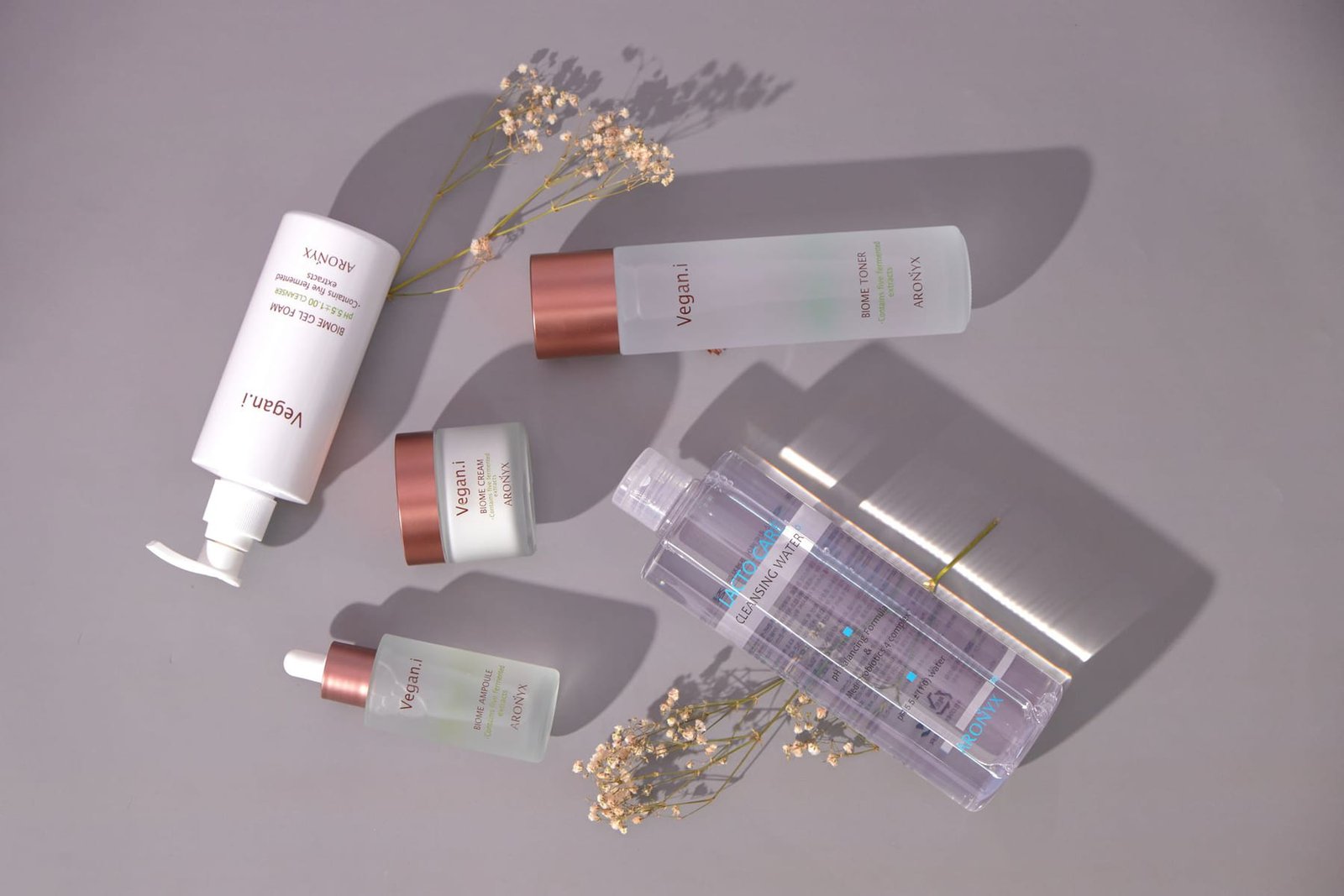
Hello, lovely readers. Kelly Farley here, and today we’re diving into something deeply nourishing - building a plant-based beauty ritual. It’s more than just slapping on products; it’s about creating a mindful practice that honors your skin and connects you to the earth. I believe that true beauty stems from within, and a gentle, thoughtful skincare routine is a beautiful reflection of that inner peace. If you’re seeking a more natural approach to your personal care, one that’s both effective and deeply satisfying, then you’ve come to the right place. Let’s explore how to create a routine that truly works with your skin, not against it.
The Foundation: Cleanse with Intention
The first step in any skincare ritual is cleansing. But let’s shift our perspective. Instead of seeing it as a chore, let’s approach it as an act of self-care. Start by warming a small amount of cleanser - perhaps a gentle oil cleanser infused with calendula or a creamy, plant-based option like aloe vera - between your palms. Feel the warmth, the texture, and the subtle scent. Close your eyes for a moment and take a few deep breaths, releasing any tension you might be holding. This simple act of mindfulness can set the tone for the rest of your routine.
Consider the ingredients. Harsh sulfates and synthetic fragrances can strip your skin of its natural oils, leading to dryness and irritation. Look for cleansers formulated with ingredients like chamomile, green tea, or rosehip oil, which are known for their soothing and balancing properties. For example, a cleanser containing rosehip oil can not only effectively remove dirt and makeup but also deliver a boost of vitamin C for a brighter complexion.
If you struggle with blackheads or congestion, a gentle clay cleanser - perhaps blended with tea tree oil for its antibacterial benefits - can be incredibly helpful. But always introduce new products slowly and observe how your skin responds.
Layering in the Goodness: Serum and Targeted Treatments
Once your skin is clean and slightly damp, it’s time to layer in targeted treatments. This is where serums truly shine. Think of them as concentrated bursts of goodness, designed to address specific concerns.
- Boosting Radiance: Rosehip oil is a phenomenal choice for enhancing radiance. Rich in essential fatty acids and vitamin A, it helps to improve skin texture and reduce the appearance of fine lines. You can even find rosehip seed oil serums that are incredibly lightweight and easily absorbed.
- Antioxidant Protection: Green tea extract is a powerhouse when it comes to antioxidant protection. It helps to combat free radical damage, which is a major contributor to premature aging. Look for serums containing green tea extract alongside other antioxidants like vitamin E and ferulic acid.
- Hydration Heroes: Hyaluronic acid serums are fantastic for drawing moisture into the skin, leaving it plump and hydrated. Look for formulations that include plant-based glycerin for added hydration.
- Addressing Specific Needs: Consider a serum with niacinamide for calming inflammation and reducing redness, or one with centella asiatica (cica) for soothing sensitive skin.
Don't feel pressured to use multiple serums. A simple, well-chosen serum can often be more effective than layering on several products.
Moisturize with Nourishment
Moisturizing is arguably the most crucial step in any skincare routine. It’s about replenishing your skin’s natural oils and creating a protective barrier. Again, plant-based options are the way to go.
- Oily Skin: Jojoba oil is remarkably similar to your skin’s natural sebum, making it an excellent choice for balancing oil production. It’s lightweight and non-comedogenic, meaning it won’t clog pores.
- Dry Skin: Argan oil is incredibly nourishing and rich in fatty acids, vitamins, and antioxidants. It’s a fantastic choice for deeply hydrating dry and dehydrated skin. Shea butter, another plant-based option, adds a luxurious feel and helps to strengthen the skin barrier.
- Combination Skin: A lighter oil like grapeseed oil or a blend of plant-based oils can provide hydration without feeling heavy.
Choose a moisturizer that’s appropriate for your skin type and climate. In the winter, you might need a richer, more emollient moisturizer, while in the summer, a lighter, gel-based formula might be more suitable.
Protecting Your Investment: The Importance of Sunscreen
This is non-negotiable. Protecting your skin from the sun’s harmful rays is arguably the most important thing you can do for its long-term health. Skipping sunscreen is like neglecting any other skincare step - it’s simply not worth the risk.
Mineral-based sunscreens, containing zinc oxide and titanium dioxide, are a fantastic choice. They’re gentle on the skin and environmentally friendly. Look for formulas that are broad-spectrum, meaning they protect against both UVA and UVB rays. Many brands now offer tinted mineral sunscreens, which can help to even out skin tone and provide a subtle, healthy glow.
Mindful Rituals: Adding Intention
Ingredient Transparency Matters
This is a big one. When you’re building a plant-based routine, it’s essential to read ingredient lists. Don’t be intimidated - most ingredients are fairly straightforward. Look for short, recognizable plant names. Avoid long strings of synthetic chemicals you can’t pronounce. There are some excellent resources online - websites like the Environmental Working Group’s Skin Deep database () - that can help you research ingredients and understand their potential effects. The Skin Deep database provides ratings based on hazard levels, offering a quick and easy way to assess the safety of skincare products.
Adapting to Your Skin Type
Start with what you will actually use
With Plant-Based, the first question is usually not which option looks best on paper. It is which part will make day-to-day life easier, smoother, or cheaper once the novelty wears off.
A lot of options sound great until you picture them in a normal week. If the setup is fussy, the routine is easy to forget, or the maintenance is annoying, the appeal fades quickly.
There is also value in keeping one part of the process deliberately simple. Readers often do better when they identify the one decision that carries the most weight and make that choice carefully before they chase smaller optimizations. That keeps momentum steady and usually prevents the topic from turning into clutter.
What tends to get overlooked
Tradeoffs are normal here. Cost, convenience, upkeep, and flexibility do not always line up neatly, so it helps to decide which tradeoff matters least to you before you commit.
This usually gets easier once you make a short list of priorities. A tighter list tends to produce better decisions than trying to solve every possible problem at once.
Another useful filter is asking what you would still recommend if the budget got tighter, the schedule got busier, or the setup had to be easier for someone else to manage. The answers to that question usually reveal which advice is durable and which advice only works under ideal conditions.
Keep This Practical
The strongest beauty routines are usually the ones that are simple enough to keep and gentle enough to trust. Start with the product or habit that supports your skin, hair, or routine most consistently.
Tools Worth A Look
If you are refining a skincare or beauty setup without overcomplicating it, the recommendations below are a sensible next step.
- The Complete Idiot's to Making Natural Beauty Products
- FIFINE USB Microphone for Zoom Video Meeting Online Class on PC ComputerEMEET 1080P Webcam with Microphone, C960 Web Camera, 2 Mics Streaming Webcam, 90°FOV Computer Camera, Plug and Play USB Web CamHow Shop Like Boss MortgagesThe 2026 Way to Buy a Home in America
Some of the links on this page are Amazon affiliate links, which means I may earn a small commission if you make a purchase through them. As an Amazon Associate, I earn from qualifying purchases.
Related ReadingMore from Purely Polished
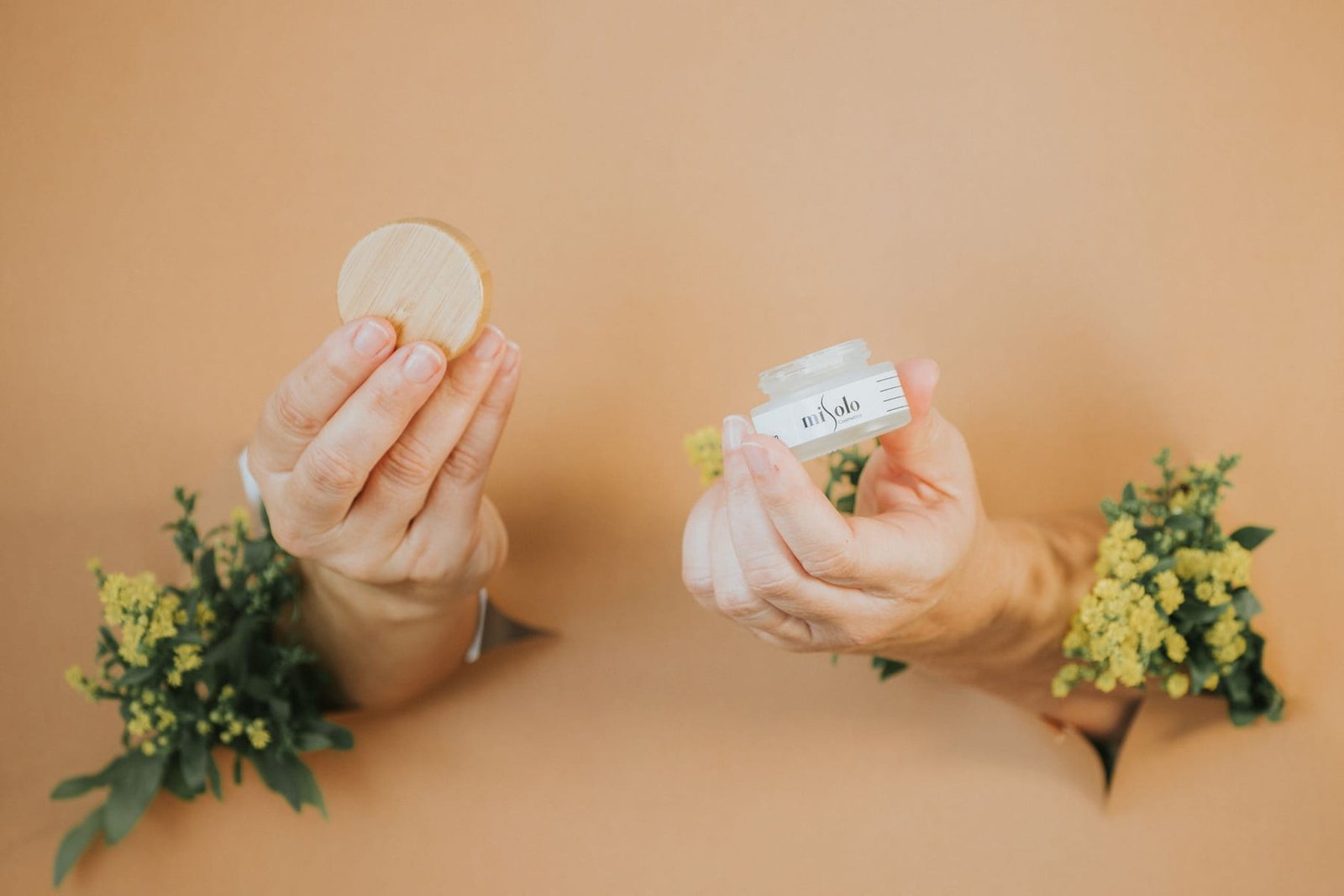
Plant-Based Beauty: Simple Rituals, Smart Savings
Plant-Based Beauty can be easier to approach when you start with a few practical basics. * Moisturizer: DIY whipped shea butter is a fantastic, affordable option.

Plant-Based Beauty: Spring Rituals
Plant-Based Beauty can be easier to approach when you start with a few practical basics. * Moisturizer: DIY whipped shea butter is a fantastic, affordable option.
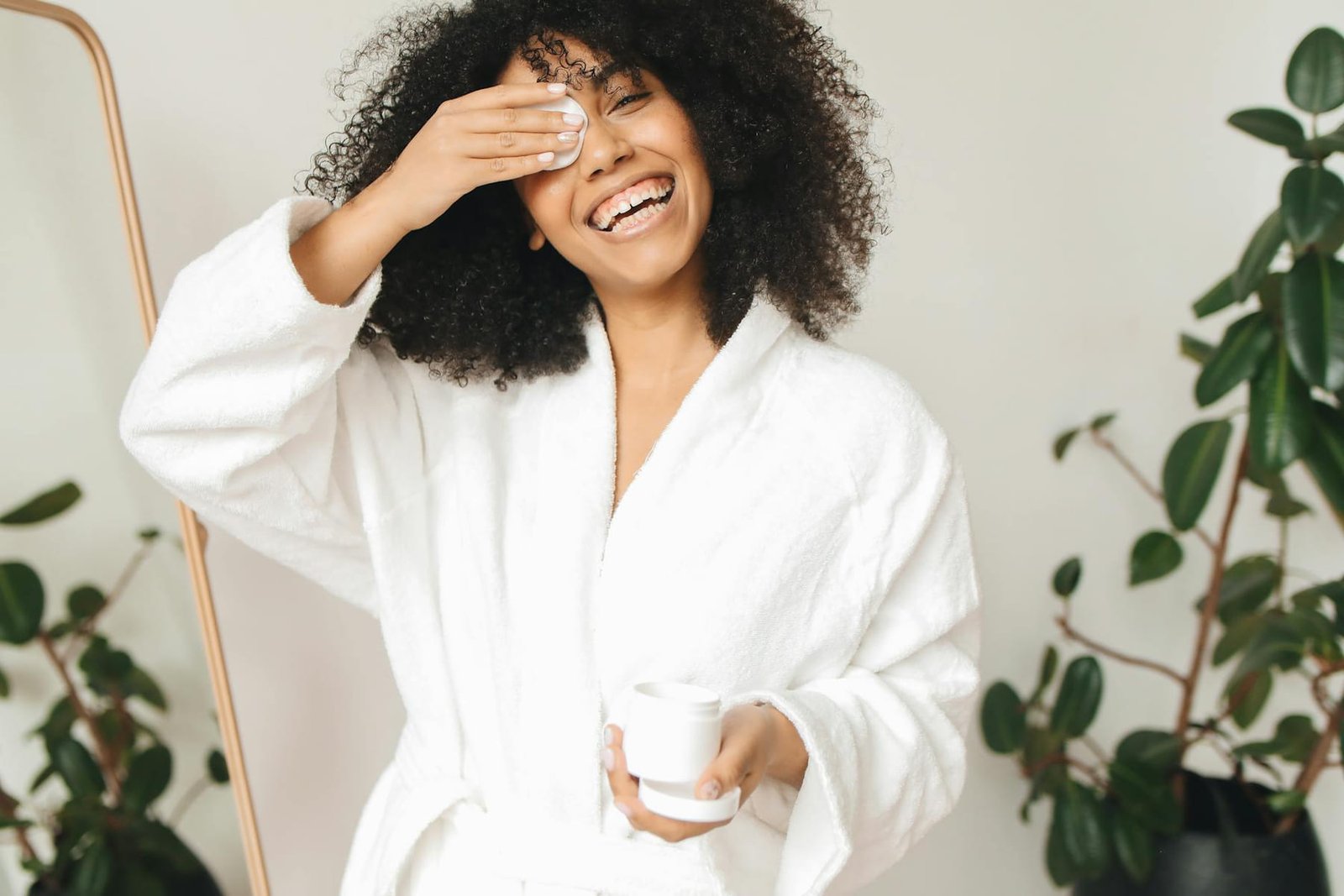
Plant-Based Beauty: A Ritual Guide
Plant-Based Beauty: A Ritual Guide offers a clearer, more practical take on plant based beauty so readers can make the next move with less confusion and more.