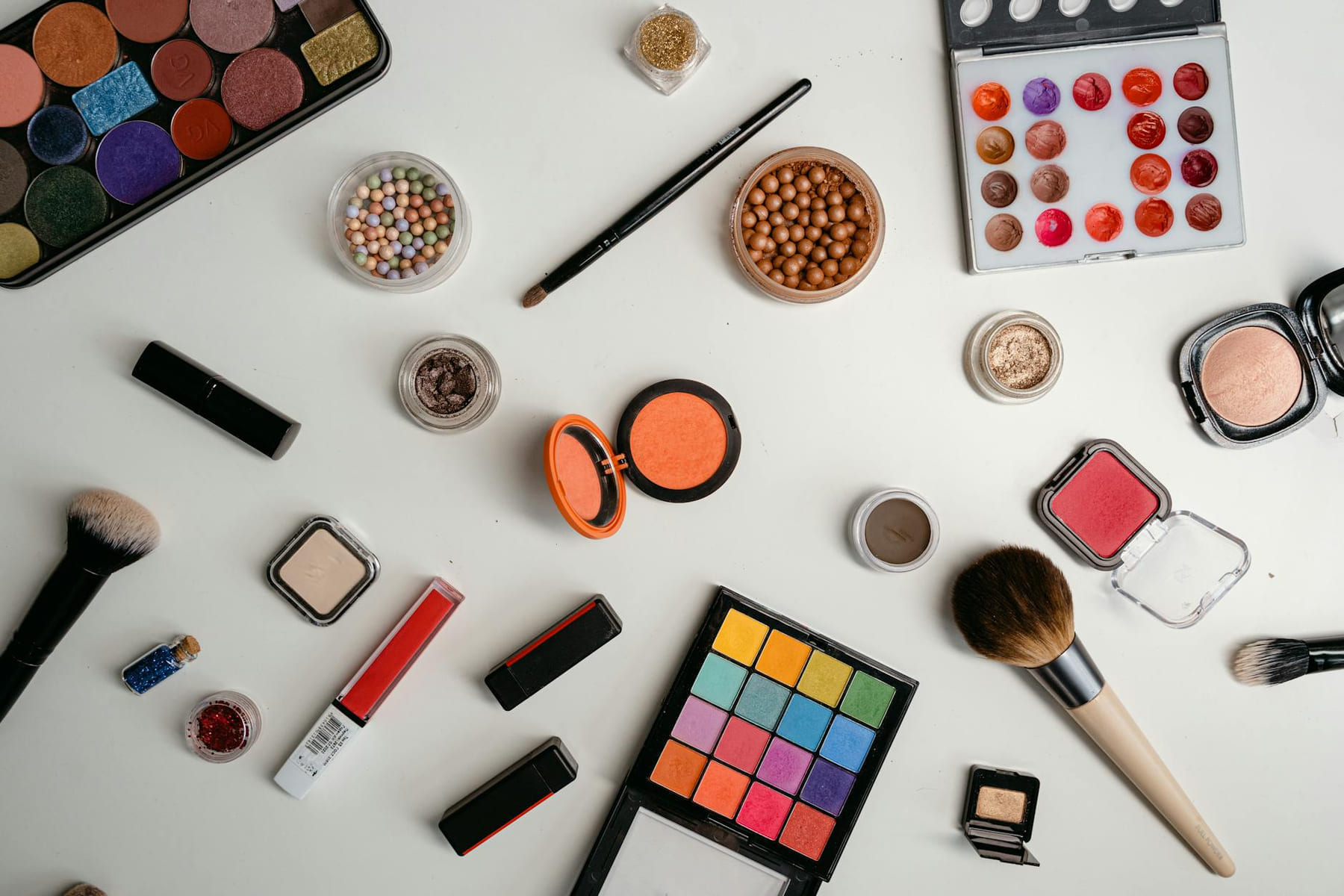
The buzz around genuinely clean beauty has really taken off in recent years, and 2026 is proving to be a big year for it. Consumers - and honestly, the science - are paying a lot more attention to what’s actually in their skincare and makeup, moving beyond vague promises of “natural” and demanding real transparency and results. When we talk about “natural beauty” here, we’re focusing on ingredients from plants, responsibly sourced materials, and a thoughtful approach to caring for your skin. But with so many DIY recipes popping up, and a growing number of certified natural alternatives available, how do you figure out which route is right for you? It’s not a straightforward answer, and the truth is, both crafting your own formulas and choosing commercially made natural products have their own strengths and weaknesses. Let’s break down the considerations to help you make an informed choice.
The Allure of DIY Natural Beauty
Let’s be honest - the idea of making your own skincare is incredibly appealing. There’s something really satisfying about controlling every single ingredient that touches your skin. For many people, it starts with saving money. While buying jars of honey, oils, and herbs might seem a little pricier upfront than grabbing something from the drugstore, over time, DIY can often be significantly cheaper, especially if you’re building a consistent routine. Beyond the financial aspect, there’s a deep sense of connection you get from understanding exactly what you’re putting on your body. You’re less reliant on marketing hype and more focused on the power of plants themselves. Personalization is another big draw - DIY allows you to tailor formulations to your specific skin type and concerns, whether you need a deeply hydrating mask for dry skin or a gentle exfoliant for sensitive skin. And increasingly, people are choosing DIY as a way to connect with a more sustainable lifestyle, reducing packaging waste and supporting smaller, ethical ingredient suppliers. You’re probably hearing a lot about bio-fermentation these days, and it’s a really exciting development in the natural ingredient world. Essentially, it’s about harnessing the power of beneficial microbes to transform plant extracts into incredibly potent and stable compounds. This process not only boosts the effectiveness of ingredients like aloe vera and chamomile but also creates new, bioavailable forms that the skin can actually absorb more easily. We’re seeing this used in everything from facial oils to serums, giving them a noticeable boost. A simple example? A classic honey face mask - just raw honey and a little lemon juice - is a fantastic way to hydrate and brighten, and bio-fermentation is being incorporated into many commercial honey products to amplify those benefits. Similarly, an oatmeal scrub, using finely ground oats and a carrier oil like coconut, offers gentle exfoliation and soothing properties. And a basic coconut oil hair conditioner, applied after shampooing, can leave hair feeling incredibly soft and nourished.
DIY Challenges: Let’s Be Real
Now, let’s get grounded. While the idea of DIY is tempting, it’s not without its challenges. One of the biggest hurdles is consistency. The quality of ingredients can vary hugely, depending on where you get them and how they’re stored. A batch of honey from one beekeeper might be rich and moisturizing, while another might be thinner and less effective. The potency of herbs can also fluctuate depending on how they’re grown. This means your DIY creations might yield inconsistent results - sometimes amazing, sometimes a little underwhelming. Allergic reactions are something to take seriously, too. Because you’re handling raw ingredients, it’s crucial to do a patch test before applying anything to your whole face. Some plants, like lavender or tea tree oil, can cause irritation in sensitive skin. also, DIY requires a good chunk of your time. Researching ingredients, sourcing them, preparing the recipes, and experimenting takes time - time that could be spent enjoying the results! Finding reliable suppliers who prioritize ethical practices and offer truly pure ingredients isn't always easy, and it often requires a bit of detective work. Finally, the internet is packed with DIY beauty recipes, but not all of them are created equal. Misinformation is common, so it’s important to rely on trusted sources - botanical experts, reputable skincare brands, and experienced herbalists.
Convenience & Quality: The Case for Natural Alternatives
That’s where commercially produced natural beauty products come in. The biggest advantage is, undeniably, convenience. You don’t have to spend hours researching ingredients or measuring things out. You can simply pick up a cleanser, serum, or moisturizer and be on your way. But it’s not just about ease; certified natural products offer a level of quality control that’s hard to replicate at home. Brands that earn certifications - like COSMOS, Ecocert, or USDA Organic - follow strict standards, ensuring their products are free from harmful chemicals and contain a high percentage of truly natural ingredients. We’ve seen some impressive advancements in natural formulations over the last few years. Stabilized plant extracts are becoming more common, meaning that the beneficial compounds in ingredients like green tea and rosehip oil are preserved and remain potent throughout the product’s shelf life. Bio-fermentation techniques, which we mentioned earlier, are increasingly being used by established brands, offering enhanced efficacy and stability. And let’s not forget the growing focus on sustainable packaging - many brands are now using recycled materials, biodegradable plastics, and refillable systems to minimize their environmental impact. A good natural cleanser, for example, might contain aloe vera, chamomile, and a gentle surfactant derived from coconut oil, all formulated for optimal skin compatibility and stability.
Cost & Environmental Impact - A Head-to-Head
Let’s get practical about the numbers. A simple DIY honey mask might cost you $2-3 for the honey and lemon. but you need to factor in the cost of things like jars, measuring spoons, and mixing bowls - and the potential for waste if a recipe doesn’t work out. Buying a comparable natural cleanser from a reputable brand might cost $15-25. Over the course of a year, the difference can add up. with environmental impact, DIY isn’t always greener. Sourcing ingredients individually often generates more packaging waste than buying a concentrated product in a sustainable package. Commercial brands, on the other hand, can benefit from economies of scale, allowing them to source ingredients sustainably and use eco-friendly packaging. but “greenwashing” is a real concern - many brands make misleading claims about their sustainability, so it’s crucial to do your research and look for certifications and transparent sourcing practices. Choosing a brand committed to ethical sourcing and minimal waste packaging is a key step toward truly sustainable beauty.
Smart Choices & Recommendations
in practice, the best path to radiant skin depends on what matters most to you and what you’re comfortable with. DIY is a fantastic option for those who enjoy experimenting, have a good understanding of ingredients, and are willing to put in the time and effort. It’s particularly well-suited for simple recipes and specific ingredient preferences. But for many, the convenience and quality control of commercially produced natural products offer a more practical solution. If you’re leaning towards natural alternatives, I’d recommend starting with a gentle cleanser containing aloe vera and chamomile, a hydrating serum with stabilized plant extracts, and a natural makeup remover based on oils like jojoba or grapeseed. Brands like Verdant Alchemy and Flora & Fauna consistently get good reviews for their commitment to transparency and effective formulations. You can find more information about ingredient safety and sourcing practices on the Good Guide website ().
Keep This Practical
The strongest beauty routines are usually the ones that are simple enough to keep and gentle enough to trust. Start with the product or habit that supports your skin, hair, or routine most consistently.
Tools Worth A Look
If you are refining a skincare or beauty setup without overcomplicating it, the recommendations below are a sensible next step.
- Earth's Daughter USDA Organic Lip Balm 6-Pack - Fruit FlavorsZealSea Face Masks Skincare for Women, Variety 7Days Facial Sheet Mask Set for Deep Hydrating & Glow, Daily Self-CareThayers Blemish Clearing Acne Pads, Salicylic Acid Acne Treatment for Face, Pore Reducing, Exfoliating, and Soothing Skincare, Witch Hazel Toner PadTata Harper Regenerating Cleanser, Daily Exfoliating Cleanser, Daily Face Wash, Natural SkincareHonest Beauty Fragrance Free Cleansing Makeup Remover Facial Wipes
Some of the links on this page are Amazon affiliate links, which means I may earn a small commission if you make a purchase through them. As an Amazon Associate, I earn from qualifying purchases.
Related ReadingMore from Purely Polished
Simple Skin: DIY Natural Beauty Steps
is easier to make sense of when you break it down into the part that matters most first. Instead of chasing every option at once, it usually helps to focus on what.
Making Natural Beauty: Simple DIY Practices
Making Natural Beauty can be easier to approach when you start with a few practical basics. Hey there, Purely Polished pals! Stephanie Grayson here, and let’s be.
Simple Beauty: DIY Recipes & Savings
is easier to make sense of when you break it down into the part that matters most first. Instead of chasing every option at once, it usually helps to focus on what.